Our work
Research &
Science
Our strategy
Research plays a central role in Iwokrama’s mission to achieve conservation and the sustainable use of tropical forests.
“To promote the conservation and the sustainable and equitable use of tropical rain forests in a manner that will lead to lasting ecological, economic and social benefits to the people of Guyana and to the world in general, by undertaking research, training, and the development and dissemination of technologies."
Laying the Groundwork:
Baseline Data & Zoning
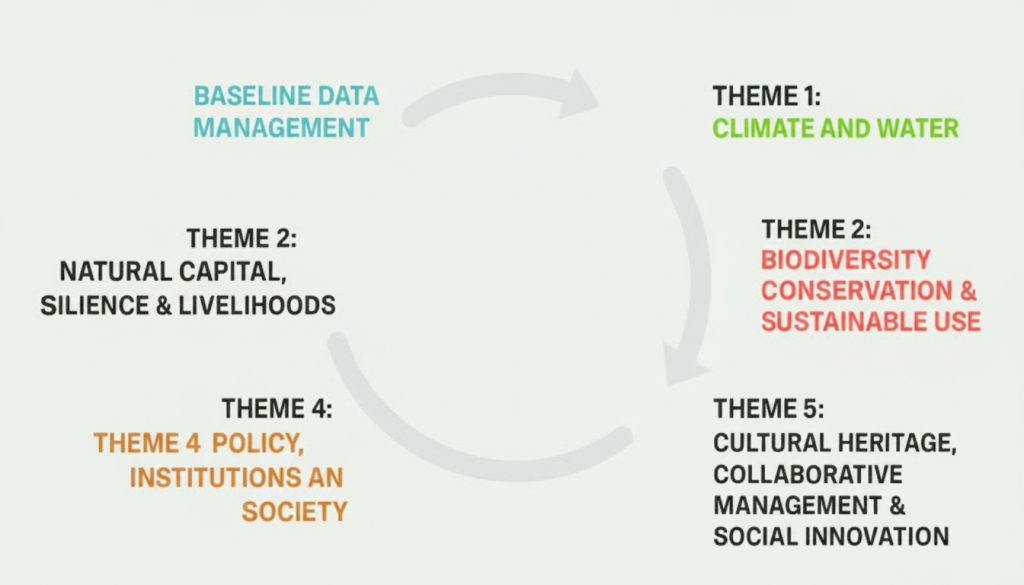
The first phase of Iwokrama’s science programme focused on collecting baseline data to support forest management planning. This process involved comprehensive assessments to understand the ecological characteristics of the forest.
It included zoning the forest into a sustainable use area and a wilderness preserve, as well as conducting management-level inventories. These early efforts laid the foundation for informed, science-based decisions in conservation and resource use.
Exploring
The Biodiversity & Sustainability Issues
Comprehensive surveys have been carried out on vertebrates, flora, timber trees, and archaeological sites. However, further work is needed in areas such as invertebrates, fungi, archaeology, and additional flora studies.
Early research also addressed key sustainability themes—ecological, social, and economic—through initiatives such as bioprospecting (e.g., endophytic fungi), sustainable forest utilisation, wetland studies, market analysis, and assessments of alternative livelihoods.
Community Collaboration &
Practical Research
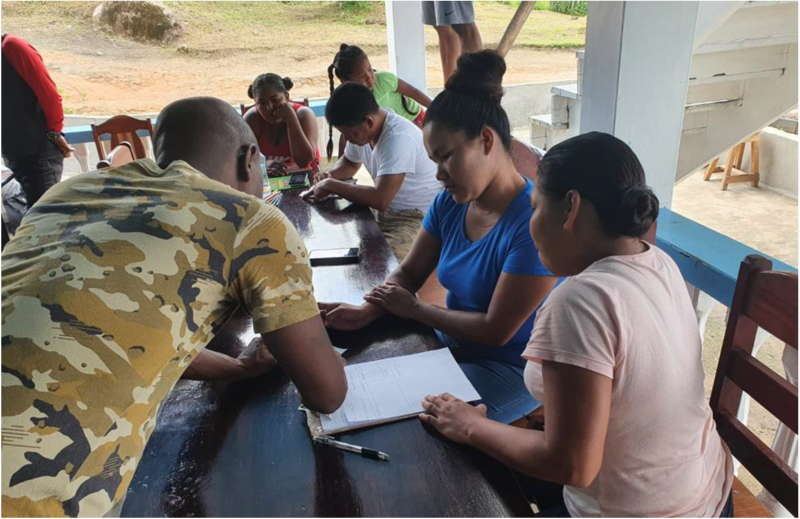
Iwokrama’s research is grounded in addressing real-world challenges, with strong partnerships at its core. A major strength of the programme is its collaboration with 21 Indigenous communities.
These relationships are supported by the Iwokrama Act, which recognises Indigenous Rights and promotes shared decision-making in forest management. This community-based approach ensures that research is both relevant and inclusive.
Advancing Knowledge & Global Contributions
Recent business and development initiatives have expanded opportunities for research, learning, and knowledge sharing. Iwokrama is active in valuing intellectual property and environmental services, and it contributes to climate change dialogue on a global scale.
The Iwokrama International Science Committee (ISC)—comprising experts from Guyana, the Caribbean, Europe, and the United States—guides the programme, ensuring it remains impactful and aligned with both local needs and international priorities.
Iwokrama Research Guidelines
The objective of these Guidelines is to ensure that research is carried out collaboratively and, where possible, aligns with Iwokrama’s research priorities and objectives.
All research should support the conservation of biodiversity and the sustainable use of its components, while avoiding any harm to biodiversity.
Mission driven by
research
Research is clearly identified in Iwokrama’s mission as one of the means of achieving conservation and sustainable utilisation of our forests.
Fisheries Study
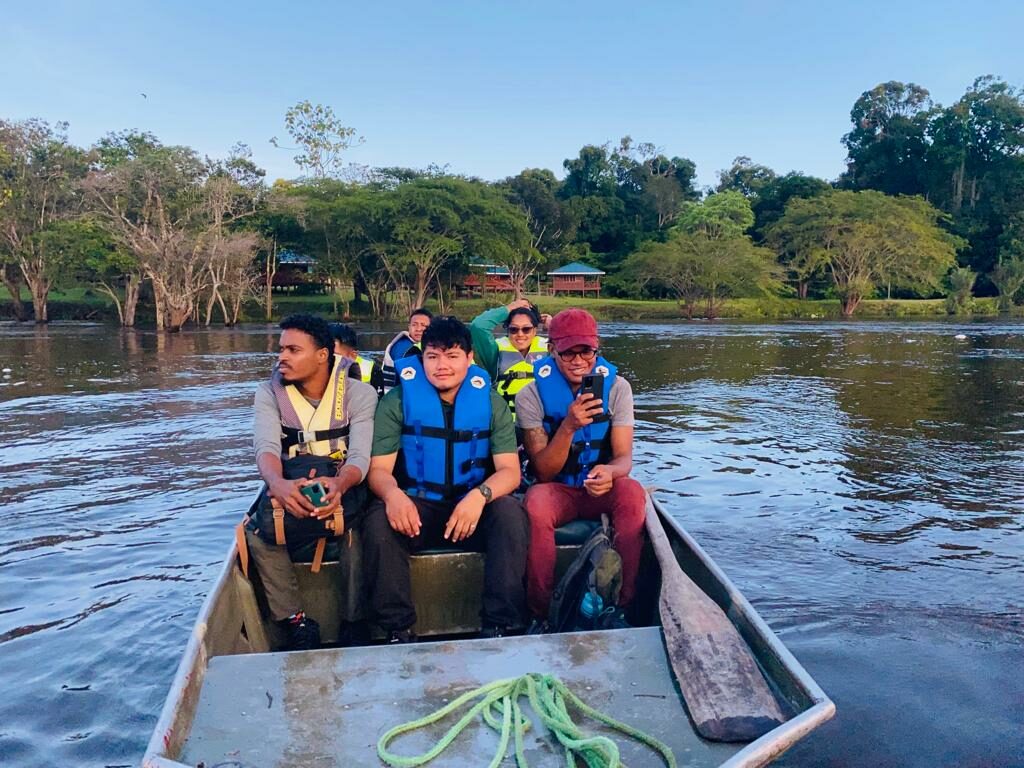
Led by PhD candidate Thomas Morgan (University of Michigan), in collaboration with the University of Guyana and Iwokrama. This research explores the historical biogeography, population structure, and conservation genetics of freshwater fish in the Guianas, providing insights into the drivers of fish diversity and the historical connectivity of river systems across Northern South America.
Frog Study
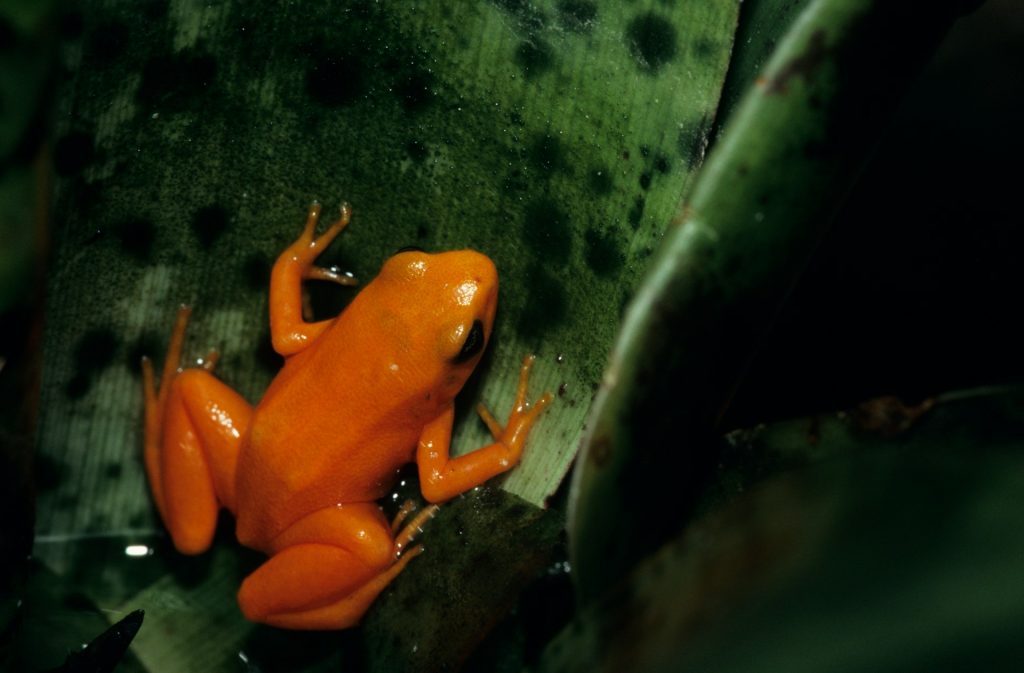
Conducted by Mark Bastian (University of Guyana) as part of his Master’s research. This project investigates the distribution and prevalence of chytrid fungus (Batrachochytrium dendrobatidis) affecting anurans (frogs and toads) within the Iwokrama Forest. Funded by the ExxonMobil Foundation.
Forest Monitoring
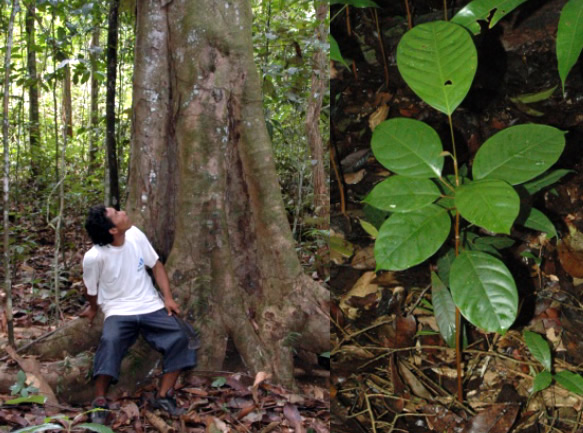
PhD research by Arianne Harris (University of Guyana) assessing the impact of Iwokrama’s sustainable harvesting operations on bird and bat diversity. The study includes fieldwork, biodiversity monitoring, and analysis, with international collaboration from the University of Kent (UK).
Gender Forestry